Do You Need A Water Softener In Minnesota?
Have you ever noticed white spots on your dishes? Maybe your soap doesn’t lather up, or
mineral buildup around your faucets that now catches your eye every time you use them. You
are certainly not alone. These are all signs of hard water, and in Minnesota, hard water is an
issue many homeowners deal with on a daily basis.
The good news is you don’t have to continue dealing with these issues.
The real question is; does every home in Minnesota need a water softener?
The true answer depends on your home's water quality, but for many homeowners, a water
softener is a great investment, perhaps one of the best you can make. Why? Because it
protects your plumbing, extends the life of your plumbing appliances and fixtures, and can even
make everyday cleaning easier.
Here is everything you need to know about hard water in Minnesota and whether or not a water
softener is right for your home.
What Is Hard Water?
Hard water contains higher levels of dissolved minerals, most commonly calcium and
magnesium. These minerals naturally enter the ground water as it passes through natural
underground rock like limestone and dolomite and other rock formations underground.
Hard water is safe to drink and is not considered a hazardous health risk. In truth, calcium and
magnesium are essential minerals for humans to intake. That said, while hard water is safe for
your family to consume, hard water can be incredibly tough on your home's plumbing systems
and household appliances.
Is Minnesota Known For Hard Water?
Yes.
The majority of the state of Minnesota has moderately hard to very hard water. Because the
municipal groundwater throughout the state flows between mineral rich social and rock,
homeowners often experience higher concentrations of these minerals in their water.
One might think the circumstance differs between city water versus private well water, but hard
water is very common throughout the Twin Cities metro area as well as much of central
Minnesota.
Some communities may have naturally softer water than others, but in most cases, many
homeowners will notice hard water problems without realizing what exactly is causing it.
Common Signs Your Have Hard Water
If you are not sure if your home has hard water, here are the most common signs.
White Spots on Dishes and Glassware
Those stubborn cloudy spots that remain after running the dishwasher time and time again
aren’t usually leftover soap. They’re mineral deposits left behind after water evaporates.
Soap Doesn’t Later Well
A notable indication that you have hard water is if it becomes more difficult for soap and
shampoo to create a thick lather. As a result, you may end up using much more soap than
necessary.
Dry Skin and Hair
If you notice your skin feels dry or itchy after showering…you probably have hard water.
Furthermore, hair may also feel dull or harder to manage because minerals prevent soaps from
rinsing away completely during your shower.
Mineral Buildup Around Fixtures
This can be recognized as a white, chalky residue around faucets, showerheads, and sinks.
This is one of the most classic and noticeable signs of hard water in your home.
Appliances Don’t Last Long
Let’s be honest, these aren't just appliances, they are investments. Water heaters, dishwashers,
washing machines, and even your countertop coffee makers all work harder when minerals
build up inside of them.
Reduced Water Pressure
Over time, mineral deposits can accumulate inside of your pipes and fixtures restricting the flow
of water.
How Hard Water Affects Your Plumbing
One of the biggest reasons homeowners install water softeners is to protect their plumbing
systems.
When you begin to think about how often water is flowing through your home, know that these
small minerals remain behind. Over several years of use, these minerals begin to collect inside
of pipes, fixtures, and plumbing appliances.
This buildup can lead to
- Reduced water flow
- Clogged showerheads
- Less efficient plumbing fixtures
- Increased wear on plumbing components
- More frequent plumbing repairs
While this buildup happens gradually, the long-term effects of unaddressed hard water can be
expensive to repair.
How Hard Water Effects Your Water Heater
Hard water can most definitely shorten the span of your water heater. In fact, it is the home
appliance most affected by hard water.
Minerals settle at the bottom of the tank where they will stay, and repeatedly be reheated. Over
time, this sediment builds up and creates an insulating layer between the burner and the water
that is intended to be heated.
This causes your water heater to:
- Use more energy
- Heat water much less efficiently
- Make strange popping or rumbling noises
- Wear out faster
- Require more maintenance or premature replacement
Adding a water softener to your home can significantly reduce mineral buildup in your water
heater, helping extend its lifespan and prevent unexpected costly repairs. Click here to learn
more about the signs of a failing water heater.
The Benefits of Installing a Water Softener
A good quality water softener that is well maintained offers benefits for your whole home.
Cleaner Dishes
No more cloudy glasses or white residue on your dishes, even after running them through the
dishwasher.
Softer Laundry
Clothing often feels softer, and stays brighter longer. Detergents also work more effectively with
softened water.
Easier Cleaning
Hard water often leaves behind soap scum and mineral buildup on showers, tubs, sinks and
faucets. These deposits can be hard to clean thus, soft water helps reduce this buildup, making
cleaning much easier.
Better Water heater Efficiency
Without mineral buildup, your water heater can operate more efficiently and may even last
longer in your home.
Longer Appliance Lifespan
Dishwashers, washing machines, humidifiers, coffee makers, and other water using appliances
all benefit from softened water.
Softer Skin and Hair
Many homeowners will notice softer skin, smoother hair, and less soap residue after switching to
softened water in their home.
Do homes on City Water Need a Water Softener?
Oftentimes, people assume only homes operating off of well service need water treatment.
In reality, many municipal city water systems throughout the state of Minnesota still supply hard
water. Although city water is treated for safety compliance, treatment does not necessarily
remove these minerals responsible for hard water.
The only way to know your home's water hardness is by testing it.
Luckily, NRH Plumbing, Inc. offers free, at-home water analysis test kits to all of their clients.
Simply fill a sample bottle, and send it in to the treatment facility for testing. The postage is paid
for, and there are no contracts, or binding documents to have this survey done by NRH
Plumbing.
Do Homes Serviced By Wells Need Softeners?
Well water often contains a higher mineral continent than city water.
In addition to hard water, well water may also contain:
- Iron
- Manganese
- Sulfur
- Sediment
- Other naturally occurring, and potentially harmful contaminants.
Due to every well being different, professional water testing is the best way to know exactly what
is in your water. Testing for these contaminants will help determine the best water treatment
systems for your home.
How Does a Water Softener Work?
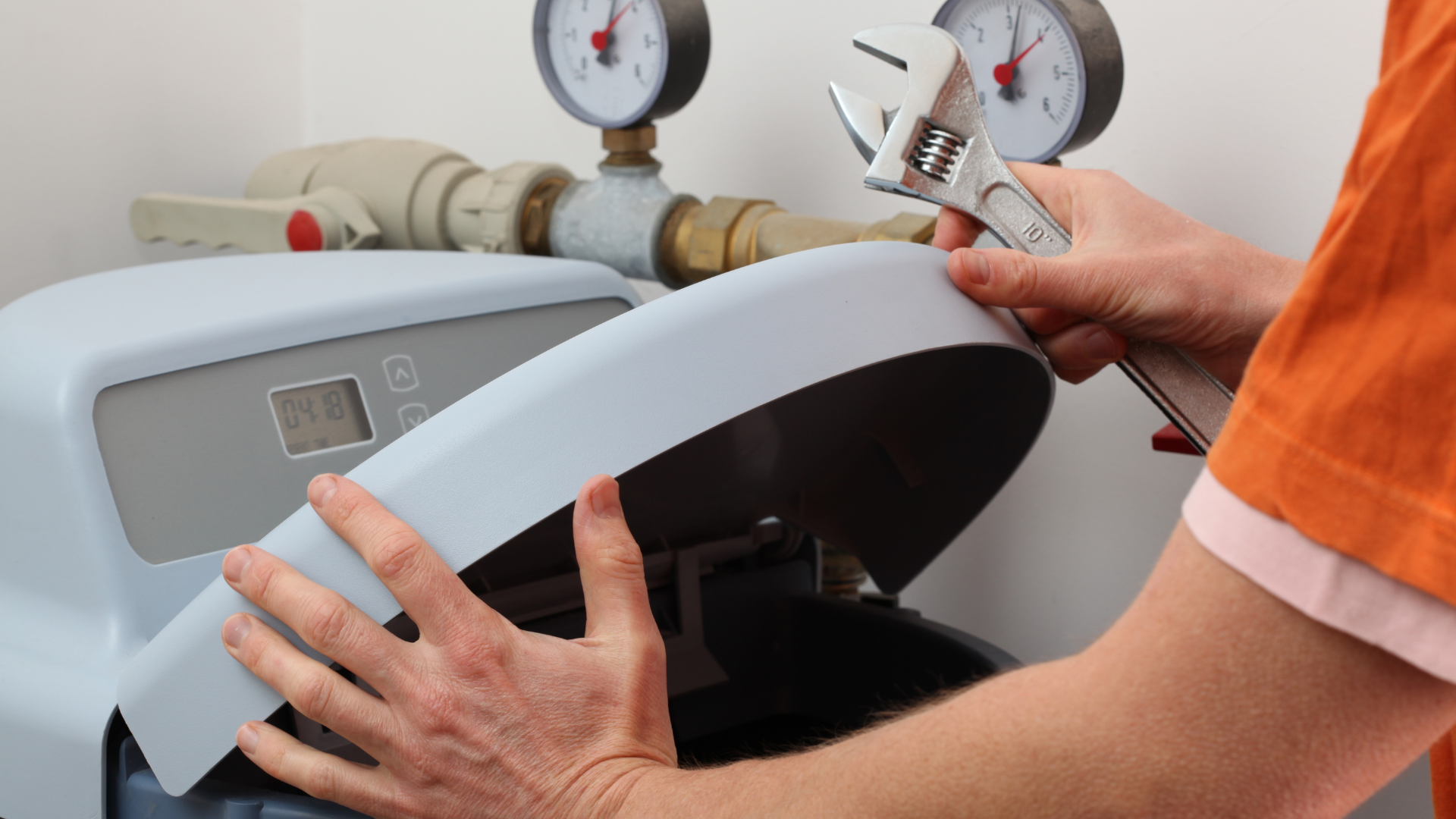
A water softener removes calcium and magnesium through a process called ion exchange.
As the water flows through the softener's resin tank, the hard materials are exchanged for
sodium or potassium ions. This results in softened water throughout your entire home and your
plumbing systems.
The water softening system periodically regenerates by itself by flushing accumulated minerals
and recharging the resin with salt.
These days, modern water softeners are highly efficient and designed to only use the amount of
water and salt needed for regeneration.
Is a Water Softener Worth the Investment?
For many Minnesota homeowners…yes.
Although installing a water softener requires an up front investment upon install, it can help
reduce long-term and repeat costs by:
- Protecting your plumbing
- Extending appliance lifespan
- Improving water heater efficiency
- Reducing detergent and soap use
- Cutting down on cleaning time
- Helping prevent costly plumbing repairs caused by mineral buildup
Many homeowners find the long-term value and savings to outweigh the initial installation cost.
How Can You Tell If You Need A Water Softener?
The best and easiest way to tell is to get your homes water professionally tested
Water testing can determine:
- Water hardness
- Iron levels
- Mineral content
- Water quality
- Whether additional filtration beyond hardness is beneficial
Rather than guessing, a professional water analysis provides clear answers and helps ensure
you choose the right system, rather than installing systems that make unneeded correction.
Professional Water Softener Installation in Minnesota
If you are dealing with hard water in your home, installing the right water softener can improve
your home’s water quality while also protecting your plumbing investments.
At NRH Plumbing, Inc. we help homeowners throughout the greater Twin Cities area evaluate
their water quality and recommend solutions that fit their home’s needs. Whether you’re
experiencing hard water, looking to replace your current softener, or are interested in identifying
potential contaminants and assessing your home’s water quality, our experienced team of
professionals is here to help.
Nrh Plumbing, Inc. also offers free water analysis, making it easy to understand exactly what is
in your home’s water before deciding on a treatment plan.
Contact NRH Plumbing today to schedule your free water analysis appointment and learn more
about whether a water softener is the right solution for your Minnesota home.
Frequently Asked Questions
Is hard water dangerous?
No. It is not necessarily harmful to drink, but overtime it can create problems for your plumbing
appliances and fixtures.
How long does a water softener last?
Most quality water softening systems last anywhere from 10 to 15 years. The lifespan of these
systems depends on your home’s water conditions, and maintenance of the system itself.
Will a water softer remove iron?
Some water softeners can remove small amounts of dissolved iron but most homes with higher
iron levels require additional filtration systems or specialized equipment.
How often do I need to add salt?
Usually homeowners will refill their softener tank with salt every four to eight weeks depending
on the households water use and size of the system.
Can I install a water softener myself?
We recommend professional installation to ensure the system is sized and connected correctly.
Furthermore, professional installation will ensure your system is code compliant and operating
efficiently from day one.
If you are unsure where to start when correcting your hard water, or are looking for a
professional to install a system in your home, call NRH Plumbing. Nrh serves the greater Twin
Cities area with expert knowledge, installation, and maintenance for all things water filtration.
To connect with NRH Plumbing, call: 612-900-7728 or visit our website at
NHR plumbing is a family owned and operated residential and commercial plumbing contractor based in Ramsey, MN. We provide 24/7 emergency plumbing services, main line cleaning, as well as planned instillation including: water heaters, water softeners, water conditioners and plumbing fixtures.